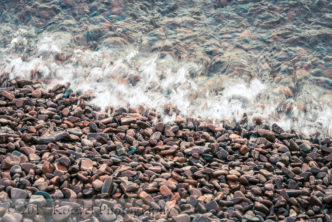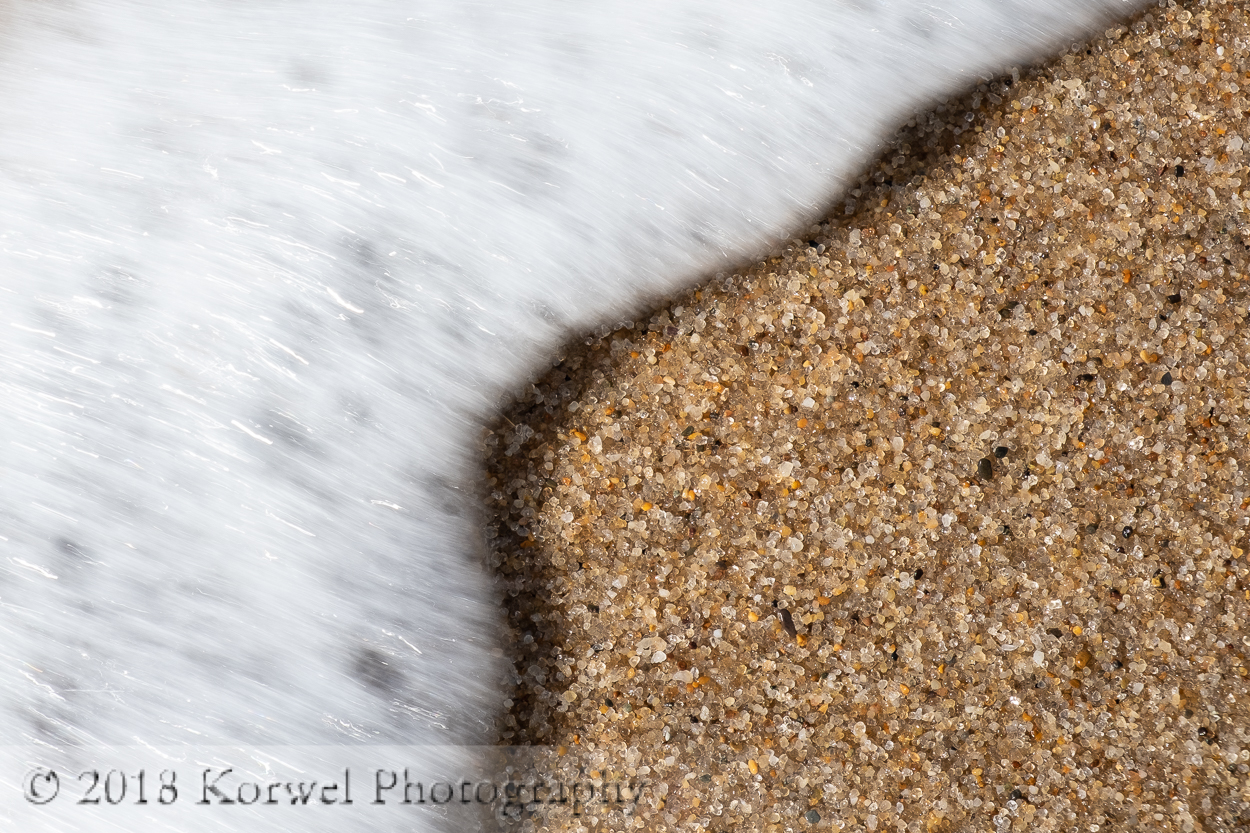
A few weeks ago, we went to see how the water release is going in winter in Coralville Dam. We were looking for slow shutter speed images, I think, but were not very successful in capturing the power of water. However, the pattern of water made for an interesting image. I took some photos with “big camera”, and some with an iPhone. I decided to post-process the iPhone image. The recipe for the image can be viewed on BestCamera site.
I found several show-worthy images in my Konica Minolta collection from Vancouver, 3 years ago. This one was improved using the Contrast Layer Mask, as shown in this great video tutorial. Photographing sunset in Vancouver is not an easy task, because…. It is not positioned on the open Ocean. There are mountains, islands and bunch of other stuff, obstructing the view. So, you need to be creative.
| Camera & Lens: DiMAGE Z2 , Flash did not fire, compulsory flash mode. | |||||||
| Focal length: | 58.7 mm | Shutter: | 1/60 sec. | ISO: | 50 | Aperture: | f/8.0 |
My husband and I were visiting Canada some 3 years ago. We stayed there for a month, and although I was working on a scientific project, I was not working on the weekends and afternoons. Having a car, it was a great chance to get to know the region, and we took a whole advantage of it. We visited Vancouver, and took a ferry to Vancouver Island. On one of the weekends, we drove thew Sea to Sky Highway up to Whistler, where they just started to work on the Olympic Village. On the way back, we saw this beautiful waterfall from the road. It was impressive. It looked to me like it is starting at the top of the mountain. We stopped and took some photographs from close-by, but I still think it looked better from the distance.
| Camera & Lens: DiMAGE Z2 , Flash did not fire, compulsory flash mode. | |||||||
| Focal length: | 6.3 mm | Shutter: | 1/200 sec. | ISO: | 50 | Aperture: | f/5.6 |
We took s short walk in the park, just looking for something, anything. There were some red-branched bushes, with drops of water from settling fog. They were so photogenic and hard to photograph at the same time, due to movement from the wind. But from one of the keepers, I made a simple fine art matte. What I enjoy about the image is the drop, the color of the branch, and all the colors of the blurred by the fast lens background of remaining part of the bush.

One of my personal resolutions for this year is try to improve my shooting technique in as many areas as I can. Obviously one can’t be master in everything, but I believe that practicing different kind of photography makes you better photographer in all of them. Just keeping the camera in hand, setting up the composition, shooting pictures and then post processing them makes you (as we pilots say) not only current but also proficient at what you do. And then you’ve simply have more time and resources to focus on things needing your attention when taking a shot.
So to fulfill this resolution I’m trying to come up with a list of things Iza and myself could shoot to become simply better photographers. One of the position on this list was ‘water droplets’. Photographing water droplets is a little tricky assignment because you don’t really have absolute control over what is going on on the set. Most of the time it’s just trial and error. But you just have to shoot until you get the one you really like. Here is ours:
Frying pan as a water tank, two Speedlights with color gels on them, fast shutter and over 500 shots taken to get this nice looking contour of snail
.
Shooting water droplets also trains your reflex. At the end Iza was able to catch almost all of them.
This isn’t the first our try t catch some water droplets. It definitely isn’t the last one either. I already have some new on the list. Stay tuned…
Tomasz suggested I look back at one of my very first HDR, image of the bridge over Looking Glass Creek somewhere on the way to see Looking Glass Falls in Pisgah National Forest, North Carolina. I took in during our Smoky Mountains vacation the fall before last, and posted it in November that year. He thought my HDR technique is far better to what it was then, so the image should turn differently. I took the challenge.
Basically, the difference between the previous one and this is not only that I have better understanding of sliders in Photomatix, but also that I need to go back to the tone mapped image, and boost contrast and things like that to make it more appealing.
| Camera & Lens: NIKON D40X , | |||||||
| Focal length: | 18 mm | Shutter: | ISO: | Aperture: | f/3.5 | ||
Something new on a post today. It is not a guest post per say, but featured image was not taken by me. I decided to take part in Digital Photography School Monthly Edits challenge, and instead of just posting a comment on the web page with the final image, I decided to write a post on my blog about how I achieved the final effect.
I basically like the image and how it was post-processed. I love the colors, and I though I will try to make them pop up as well. What I wanted to tackle is how the mountains disappear in the distance. I want to see their shape distinct rather then bare suggestion they are there, and it is a main reason I decided to take part in the challenge. Overall, the image lacks contrast in the top part.
I spent three evenings trying to make it “my way”. I started from basic black and white conversion, which was not interesting at all. Then I tried a single image HDR to recover some of the mountains and maintain detail in the bird, but I created just too much noise and overall did not like the result. I tried to add a split-neutral density filter on top part, and I wasn’t able to recover as much as I wanted before the noise set in, but it felt like I was onto something.
In this moment, I created several virtual copies and was just going through sliders, and I had hard time recreating what I did when I had a final image. So I had to go back and start from the beginning, writing down each step.
First I took the image to Photoshop as Smart Object, made a copy of a smart object, and using Camera Raw, adjusted top copy to +1 and the bottom copy to -2. The top layer blending mode I chose to set to Overlay, by trial and error. It worked, I had enough detail in the mountains. I actually just saw the trick on Photoshop User TV episode 211. I made another copy of the smart object with Exposure as it was originally, created a layer mask of the shape of the bird, and with Normal blending mode, lowered the opacity to 37% to lighten the bird without it being to obvious. Uff, it was complicated.
Back in Lightroom, I added some Clarity and Vibrance and placed a graduated filter on the sky. I made it -0.6 stop and added an orange color, picked from the sky itself. Another graduated filter, light blue, I added to the bottom part. I cleaned few spots (probably post-processing artifacts) and added +0.5 in exposure to the whole image. I also cropped the image so the bird was in one of nodal points of rule of thirds grid. To finish off, I added some post-crop vignette and sharpened a bit.
It would be it, if I didn’t try to turn it black and white again, and discovered that the color in my graduated filters was preserved in the conversion.
You can see the original image, the final full color version, and my favorite, colored black and white.

A long, 4 day weekend is a lot of time to waste. We decided to spend some of it outdoors, geocaching in Hawkeye Wildlife Management Area, close to our home. It is already that time of the year, when it is cold, but not freezing, the difference between the actual temperature and wind chill is discouraging to go out, and the whole landscape is just… well, brownish. But this view was somehowe interesting, and it made for nice HDR. The only thing bothers me are the trees on the left, which I couldn’t decide if I prefer them left-most cut out or not. I decided to leave it as it is.
This picture was taken early one morning while we waited for our tour bus to pick us up. As we were waiting I looked over at Lake McDonald and noticed this single boat floating on the lake. It was very quiet and the water was like glass. I then noticed the reflection of the clouds on the water, so I grabbed my camera and went down to the shoreline. It was a breathtaking site. If you have never been to Glacier National Park, I highly recommend visiting it. It truly is one of the most beautiful places on Earth!
This place is not far from my house. On the beautiful lake. The spot with a bench where you can sit down, relax and enjoy the view. So calm, and although there is a lot of hikers, especially on the evenings and weekends, you can still have some solitude.
I really enjoy this image, I took one evening with my Fisheye. I wanted to use this particular lens to show what is around the bench, the trees, as well as the sunset and the colors of the sky.